
If you’ve spent more than five minutes in a dietitian Facebook group, you’ve seen the question: “Do I actually need a website for my private practice? I don’t want to pay for hosting… and what even is a care plan?”
The answers pile up quickly. A few people say they’re “doing fine” without a site. Someone chimes in with a DIY platform they used once. A brave soul admits they don’t know the difference between a domain and hosting. Helpful? Sort of. Strategic? Not really.
This post is the calm, clear version of that thread: written for weight-inclusive providers who care about accessibility, ethics, and building a real business. I’ll explain what a website actually does for a nutrition practice, what hosting and care plans cover, and how to start small without cutting corners (or your credibility).

A lot of the confusion happens because people use “website,” “domain,” “hosting,” and “care plan” like they’re the same thing.
They aren’t.
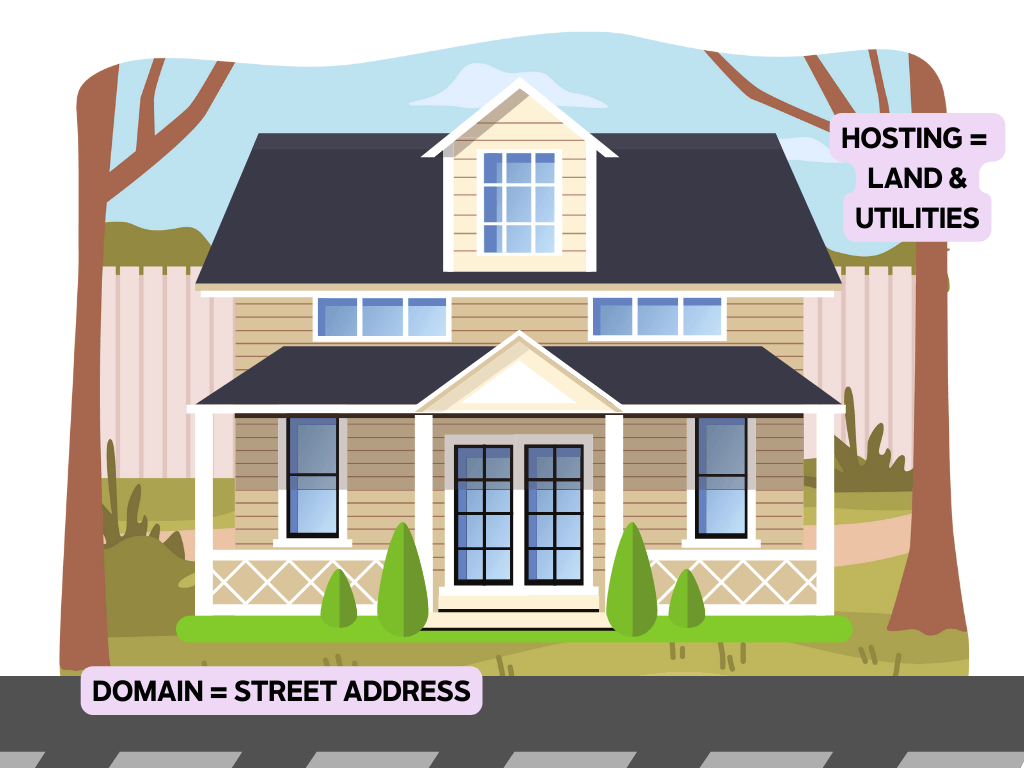
A domain is your address—yourname.com.
Owning one doesn’t give you a website; it just reserves the address.
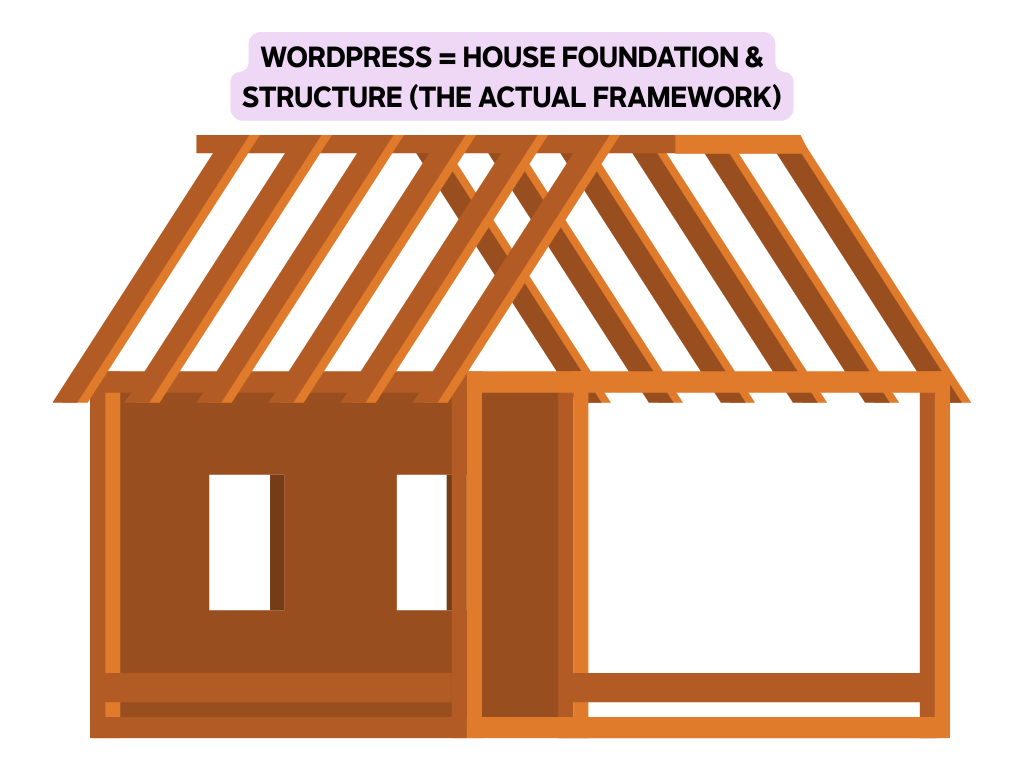
Hosting is the land and electricity—without it, your site doesn’t load at all.
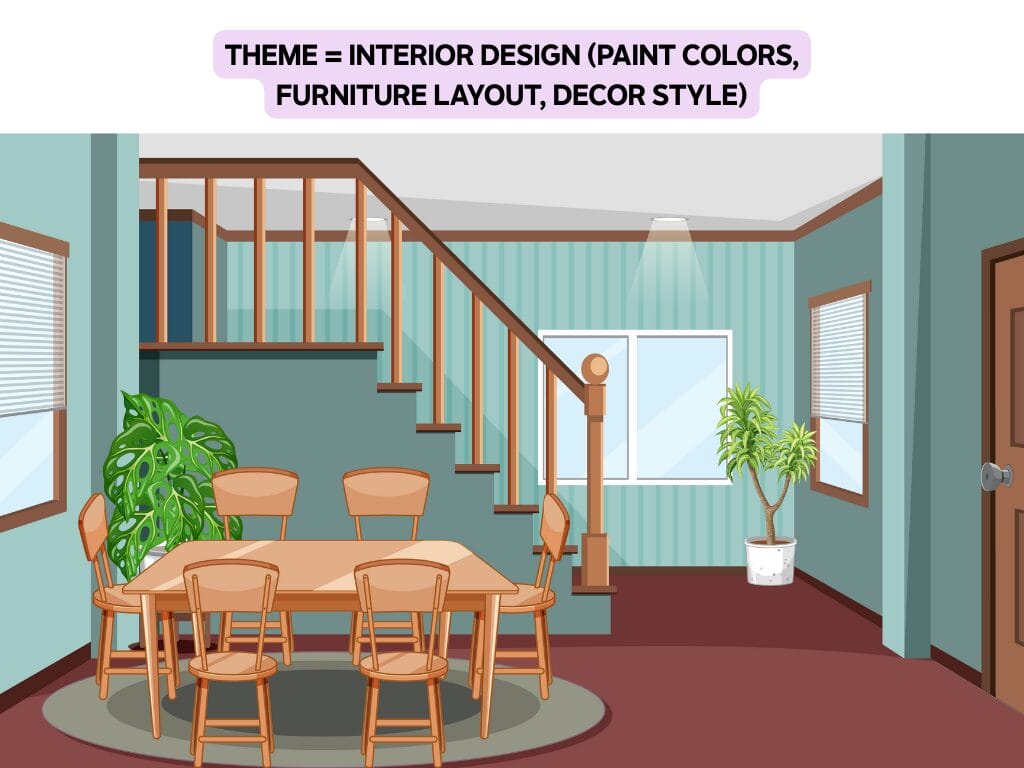
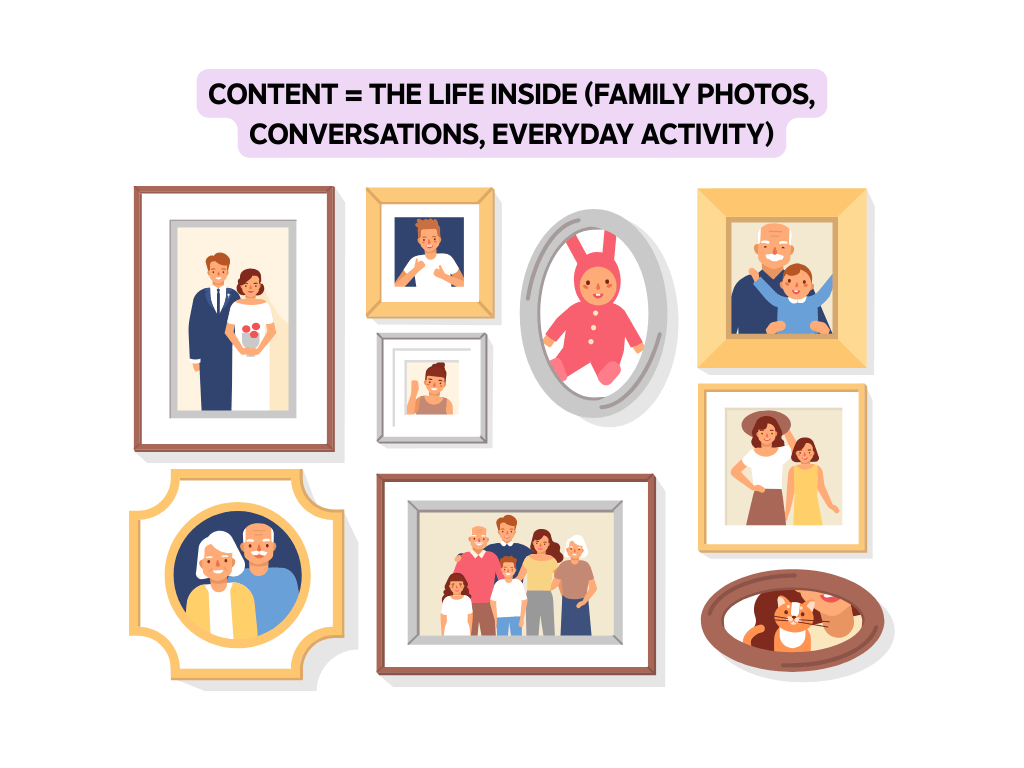
The website is the actual house: the design, pages, content, booking, and blog.
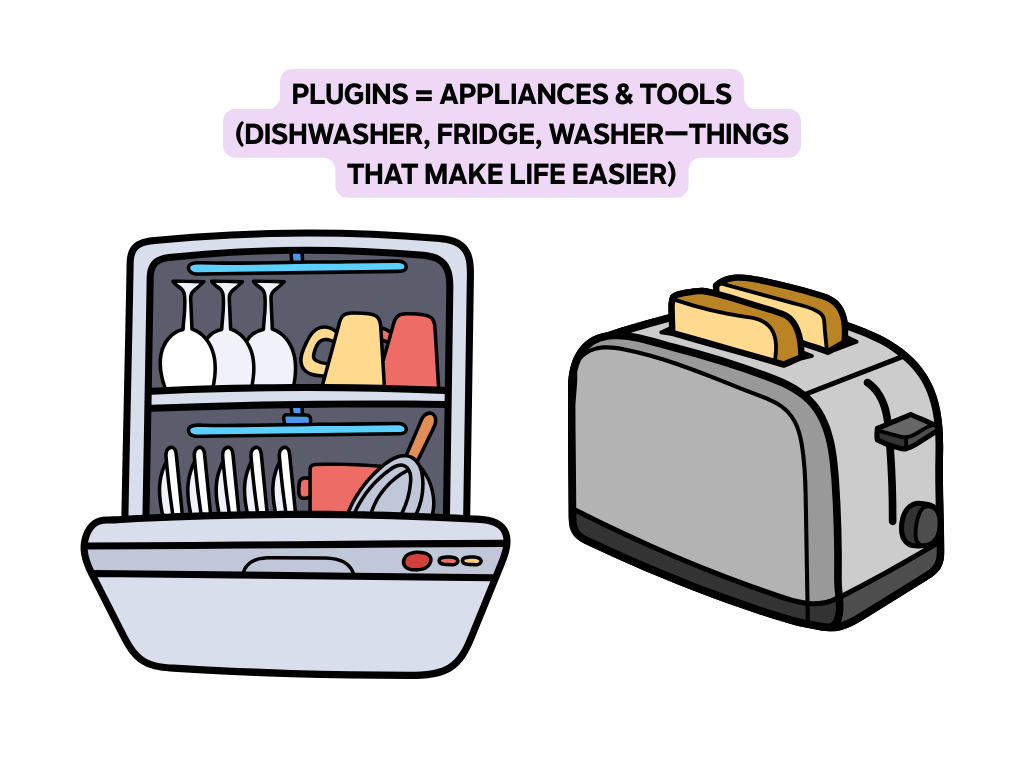
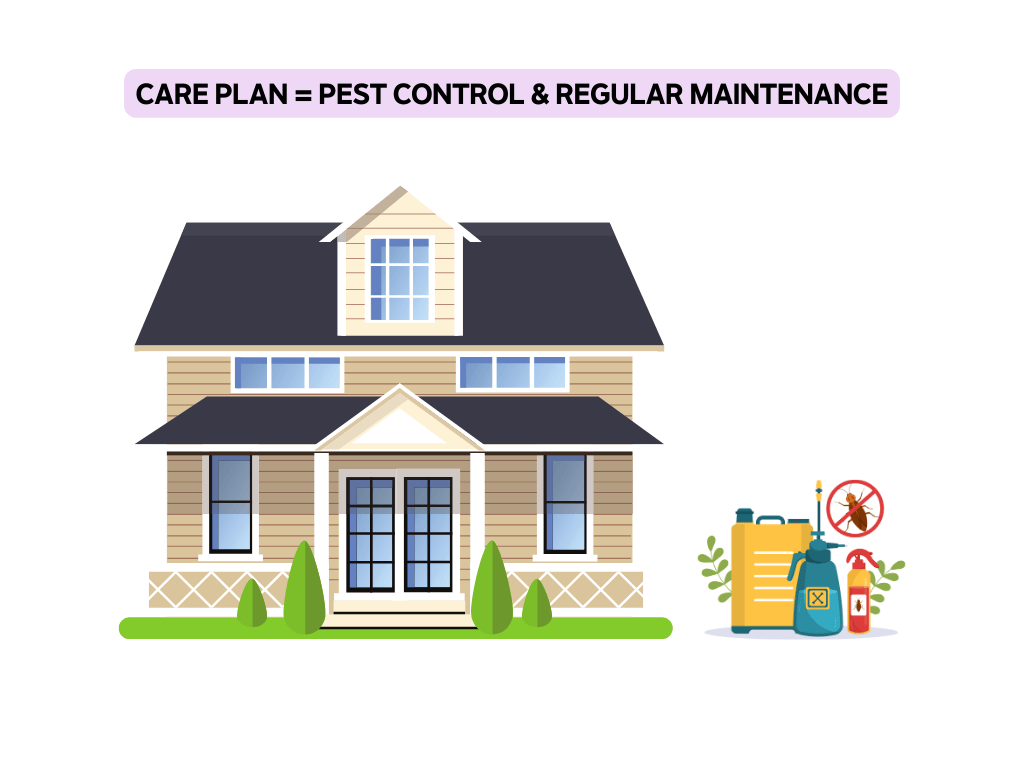
And a care plan is the ongoing maintenance: updates, backups, security, fixes, and small changes that keep everything running.
When someone says, “I don’t want to pay for hosting or a care plan,” what they usually mean is: “No one has explained why these exist, or why they matter to my business.” Fair. Let’s fix that.
Yes. If you want clients to find you, trust you, and book with you, a website is essential.
But, Courtney, of course you’d say that, you build websites for a living. Sure, I can admit some bias, but it’s also rooted in fact.
Studies show that 81% of consumers research businesses online before making a purchase, and nearly half specifically seek out business websites when evaluating credibility. This is especially important for private practices (such as therapists, physicians, and consultants) that rely on trust and reputation for client acquisition.
What about social media?
Social media is rented space. Algorithms shift. Accounts get hacked. Reach drops for no clear reason. A private practice website is the only piece of your online presence you truly own and control. It’s also the piece your Google Business Profile wants to link to if you care about local SEO (hint: you should care).
For healthcare providers—dietitians, therapists, integrative practitioners—a website is more than a digital business card. It communicates safety, scope, and fit. It clarifies licensing and telehealth availability. It sets expectations around cancellations, insurance, and how nutrition counseling actually works in your practice. That’s hard to do well in a single Instagram bio.
Hosting is invisible until it isn’t. Good hosting speeds up your site, improves reliability, and adds important security layers. Cheap shared hosting is like opening your clinic in a building where the lights flicker and the elevators stall. Technically functional. Not confidence-building.
If you’re serious about your online presence, invest in quality hosting. It’s one of the easiest ways to keep your site fast, stable, and ready for the clients who are already googling you.
A care plan is more than routine upkeep. Yes, it covers the essentials—software and plugin updates, off-site backups, uptime monitoring, security patches, quick restores if something breaks, and content edits so information stays accurate. But the kind of care plan I offer goes far beyond that checklist.
My Website Care Plans include:
And in higher-tier plans, you’ll also get:
Skipping a care plan is like skipping oil changes. It looks thrifty until the engine seizes up. If you’re on WordPress, this isn’t optional, it’s risk management. The right care plan protects your site, your reputation, and your time so you can keep focusing on client care instead of backend drama.
But, a care plan isn’t just “oil changes” for your site. It’s also your pest control—the prevention that keeps bigger issues from ever taking root. You wouldn’t wait until an infestation takes over your kitchen before calling an exterminator. The same applies here: waiting until your site breaks or gets hacked is always more expensive, stressful, and disruptive than keeping it protected all along.
It happens. Usually there’s context: they started years ago; they’re tucked into a strong referral network; they work through a platform that supplies clients; or they live in a small area where every registered dietitian is already known.
For most newer practices, not having a site means:
Skipping the site might save a little in hosting today, but it quietly taxes your website traffic, referrals, and bookings for months.
A good site is practical. It attracts potential clients, supports referral sources, and reduces admin.
Even a small, well-built site (Home, Services, About, Contact, plus an FAQ) accomplishes all of this.
Start simple and specific.
Home – In one or two screens: who you help, how you help, where you’re licensed/located, and a clear way to book.
Services – Spell out your offers and approach (e.g., eating disorder support, GI, sports, ADHD). Note insurance or superbills if relevant, and keep language human.
About – Credentials matter, but so does your philosophy. If you’re weight-inclusive, say so plainly. Share what informs your care without selling a “fix.” Check out my post on how to write your about page here.
Contact / Book – Show exactly how to reach you and how to schedule. If you’re telehealth-only or hybrid, make that obvious.
FAQ – Answer the things that clog your inbox: Do you take insurance? Which plans? Do you work virtually with clients in X state? Do you offer meal plans? What’s your cancellation policy?
Blog/Resources – Optional but powerful. Short answers to real questions build topical authority and give you content to share with your list or on social.
You don’t need tricks. You need clarity and consistency.
Write the way your clients search.
Use natural phrases like dietitian in private practice, private practice website, nutrition practice, telehealth, online nutrition business, and your city or state where it makes sense. Add a few resource posts that actually help, like “How nutrition counseling works with insurance in [state]” or “What to expect in your first session.”
Keep your site fast, mobile-friendly, and accessible. Internal links help both people and search engines move through your content. That’s what “optimize” really means here—make it easier to find and easier to use.
(If you want targeted help, my Monthly Local SEO and one-time SEO Reviews focus on exactly what private practices need, not generic “blog 5x a week” advice.)
Your website isn’t where PHI lives. That belongs in your EMR. But your public site still touches areas that matter for reputation and risk.
Make sure your privacy policy, disclaimers, and licensing details are easy to find. If you offer telehealth, list the states where you’re licensed or not accepting clients so people aren’t confused. Keep forms simple and route anything sensitive through your EMR. Your liability insurance won’t rebuild trust after a sloppy site leak or an obviously hacked homepage. Maintenance is cheaper than cleanup.
This is where opinions fly. Here’s the boring, useful truth:
Most outcomes aren’t about the platform. They’re about structure, content, and follow-through. If you’d rather not DIY, my Logo + Website package builds a clean WordPress site that looks professional now and can expand later. No “forever” decisions required on day one.
“I don’t have a site and I’m booked out” is an anecdote, not a plan.
Entrepreneurship asks different questions:
A small, well-maintained website answers all three.
Numbers help. Typical ranges:
That’s often less than two sessions each month. And unlike a session, your website works all the time: bringing in inquiries, answering questions, and supporting referrals while you’re off the clock.
Therapists, physicians, coaches, and group leaders want to send clients to compliant, trustworthy providers. When a potential referrer lands on a site that clearly explains your scope, population, values, and process, with an easy way to share or book, you make their job simple. That effort turns into referral momentum you can’t buy with ads.
If you’re new to private practice or rebuilding your brand, this is the cleanest path:
If you want a done-for-you option, my Logo + Website package creates that professional foundation; then my Website Care Plans keep it healthy so you can keep seeing clients instead of babysitting plugins.
Do dietitians in private practice need a website?
Yes. A website is the foundation of your online presence. It helps clients find you, builds trust, and supports referrals.
Is hosting required?
Yes. Hosting is the server space that makes your site load. No host = no website.
What is a website care plan?
Ongoing maintenance and support, updates, backups, security, monitoring, and small fixes, so your site stays stable and safe.
Can social media replace a website?
No. Social media is rented space; your website is the asset you own and control. I talk about this topic more in this post.
Does a website matter if I’m insurance-based?
Yes. Insurance patients still Google you. Your site answers their questions and reduces friction before the first call.
What about HIPAA?
Your EMR handles PHI and secure forms. Your public site should be privacy-aware, accessible, and clear about licensing and telehealth.
Which platform is best?
WordPress is the most flexible and SEO-friendly for long-term growth. Small sites can work on Squarespace if you accept the trade-offs.
How much does it cost to keep a site healthy?
Plan for quality hosting or a monthly care plan like ours that includes hosting. It’s usually less than one client session and saves you from costly emergencies.
If you’re building a thoughtful, weight-inclusive practice, a website isn’t optional.
It’s part of client care: it reduces confusion, communicates safety, and makes getting help easier.
Hosting keeps it online. A care plan keeps it secure. Together, they protect your time, your reputation, and your growth.
You don’t need a giant site or a full rebrand to get results. You need a clear, credible, private practice website that’s maintained well and written for real people. If you want help, I’ve built services specifically for this:
Either way, make a decision your future self will thank you for: build the foundation once, and let it work while you focus on the work that matters.

Courtney Vickery, MS, RD, LD is a marketing and wellness strategist with 15+ years of experience in WordPress web design, workflow optimization, and client experience strategy.
She has served in leadership roles as a Director of Corporate Health Services, Group Fitness Program Manager, and Lead Wellness Dietitian, and built her own private practice, Vickery Wellness.
Courtney also has an extensive academic background. At the University of Georgia, she taught undergraduate nutrition courses, served as Interim Director of the Dietetic Internship, and continues to teach as needed.
She is a proud UGA alum, holding:
MS/DI in Foods & Nutrition
BS in Dietetics
BA in Political Science
With her unique blend of academic expertise, leadership experience, and design-driven strategy, Courtney helps professionals and organizations improve their systems, websites, and client experiences with clarity and confidence.



COPYRIGHT 2026 DECLET DESIGNS LLC